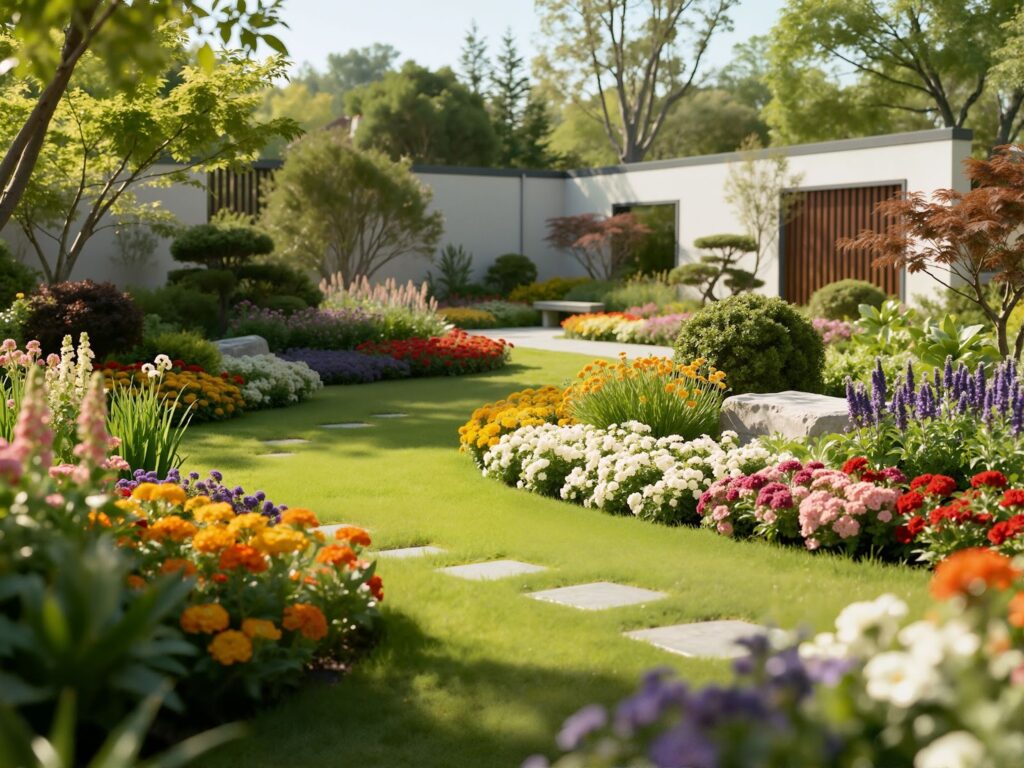
7 Questions Every Homeowner Should Ask Before Hiring a Landscaper

Hiring the Right Company for You

Hiring the right landscaping company isn’t just about getting someone to mow your lawn or plant a few shrubs. You may be planning a full backyard redesign. Or just need expert help maintaining your outdoor space. Whatever your needs, the company you choose will shape not only the look of your yard but also how enjoyable your outdoor living areas are for years to come. To ensure you make the right choice, here are seven essential questions every homeowner should ask before signing a contract.

1. What Services Do You Offer?

Not all landscaping companies provide the same range of services. Some focus only on lawn mowing or basic maintenance, while others can handle landscape design and plant selection, and others provide hardscape installation and long-term care.

Ask potential companies to walk you through the specific services they provide to confirm they can handle your needs. 

Why it matters:
A comprehensive service offering means fewer contractors to coordinate and a more integrated, cohesive approach to your outdoor project.

2. Are You Licensed, Insured, and Experienced?

Safety and professionalism begin with proper credentials. Insurance protects you and your property if any accidents occur during the project, and experience ensures the team knows how to handle unexpected challenges that arise in outdoor work.

Ask:

  • How long have you been in business?
  • Do you carry liability and workers’ compensation insurance?

3. Can You Share Examples of Your Work or References?

Past projects tell you a lot. Ask for photos, a gallery, or even references from previous clients so you can see the quality and style of work firsthand.

Why it matters:
Seeing results and hearing from real customers helps you understand whether their style matches your vision and if they reliably deliver on promises.

4. What Will the Project Timeline and Budget Look Like?

Landscaping projects involve many steps, and costs can add up quickly. Before you hire anyone, get a clear estimate of both timeline and budget, including labor, materials, and any potential extra charges.

Ask:

  • What’s included in the quote?
  • How do you handle unexpected costs or weather delays?

Having these details in writing avoids surprises later on.

5. How Will You Maintain My Landscape After Installation?

Some companies install beautiful landscapes and then disappear, leaving maintenance to you. A professional firm should offer ongoing care plans or at least guide you on how to preserve your investment over time.

Tip:
A long-term relationship with your landscaping provider can keep your yard healthy and thriving through the seasons.

6. Can You Tailor a Design to Fit My Vision and Environment?

Your yard has unique features like sun exposure, soil type, shade patterns, and your landscaping should reflect that. Ask how the company plans to customize your design to suit both your preferences and your property’s specific conditions.

A good landscaping team won’t use one-size-fits-all solutions but will work with you to craft outdoor spaces that meet your aesthetic goals and functional needs.

7. What Sets You Apart From Other Landscaping Companies?

Every company should have something special: a commitment to quality, unique services, or decades of experience. Ask landscaping professionals directly what makes them different from competitors. This helps you judge their confidence and professionalism.

Why Work With Giovine Landscaping Contractors

When you’re ready to hire a landscaper, partnering with Giovine Landscaping can give you peace of mind from day one.

Here’s why:

  • Full-Service Solutions: Giovine Landscaping offers everything from design and consulting to installations and lawn care, so you can streamline your landscaping needs with one trusted team.
  • Expertise in Design & Hardscaping: Their professionals have in-depth knowledge of plant materials and outdoor elements, ensuring your project fits the unique characteristics of your property.
  • Tailored Approach: Rather than cookie-cutter plans, they work closely with you to deliver results within your vision, budget, and timeline.
  • Residential & Commercial Experience: They handle landscaping and hardscaping projects with professionalism and care on any size property.
  • Proven Customer Satisfaction: Verified reviews from homeowners reflect the quality and reliability of their services.

Choosing the right landscaping company doesn’t have to be overwhelming. By asking these seven questions, you’ll be well-equipped to find a team that’s trustworthy, capable, and aligned with your goals. If you’re looking for expert care and beautifully designed outdoor spaces, Giovine Landscaping is ready to help bring your landscaping dreams to life.

Protecting Your Garden from Extreme Summer Heat: Tips for a Healthy Landscape

As temperatures soar to record-high numbers and the sun beats down during the peak of summer, your garden can quickly feel the impact of extreme heat. At Giovine Landscaping, we know how important it is to protect your outdoor oasis from the harshest days of the season. With a few smart strategies, you can keep your plants healthy, your flowers vibrant, and your garden thriving all summer long.

Choose Heat-Tolerant Plants

One of the best ways to safeguard your garden from scorching temperatures is to choose plants that can handle the heat. Opt for drought-resistant perennials like black-eyed Susans, lavender, and coneflowers. Native plants are often naturally equipped to withstand local weather conditions, requiring less maintenance and water. Ornamental grasses like switchgrass or fountain grass are another excellent choice for adding texture while tolerating high heat.

Use Mulch for Moisture Retention

Mulch is your garden’s best friend in extreme heat. Adding a generous layer of organic mulch helps regulate soil temperature and lock in valuable moisture. This barrier prevents the soil from drying out too quickly and keeps roots cool even on the hottest days. Aim for about 2–3 inches of mulch around flower beds and shrubs, but be sure to keep it a few inches away from plant stems to prevent rot. If you are interested in tips for specifically protecting your lawn from the heat, check out our previous blog.

Water Wisely and Efficiently

During heat waves, watering correctly is crucial. The best time to water your garden is early in the morning or late in the evening when the sun is less intense. This reduces evaporation and allows water to soak deep into the soil where roots need it most. Use drip irrigation systems or soaker hoses to deliver water directly to the base of your plants to ensure maximum efficiency and minimal waste.

Create Shade Where Needed

Even sun-loving plants can benefit from a little relief during extreme heat. Use shade cloths, garden umbrellas, or strategically placed trellises with climbing vines to provide temporary cover for delicate plants. Container gardens can be moved to shaded areas during the hottest parts of the day. For a long-term solution, consider planting trees or large shrubs that provide natural shade while enhancing the beauty of your landscape.

Let Giovine Landscaping Help You Beat the Heat

Your garden is an investment that deserves year-round care, even during the harshest summer days. At Giovine Landscaping, our team is ready to help you design, install, and maintain a landscape that stays beautiful no matter what the forecast brings. From selecting heat-tolerant plants to installing efficient irrigation systems, we have the solutions you need.

Don’t let extreme heat ruin your summer garden. Protect your outdoor space and enjoy a lush, green backyard all season long. For personalized landscaping tips, expert services, or to schedule a consultation, contact Giovine Landscaping today at (724) 316-3064. Let’s keep your garden thriving under the summer sun!

Fall Landscaping Tips: Prepare Your Yard for the Season with Giovine Landscaping

Prepare Your Yard for the Season with Giovine Landscaping, as the vibrant colors of summer fade and the crisp air of fall settles in, it’s the perfect time to give your landscape some attention. At Giovine Landscaping, we believe that a well-maintained yard can be enjoyed year-round, and fall is a crucial season for preparation. It is the best time for garden owners to plant trees, shrubs, and evergreens, so autumn maintenance is vital! Here are our top fall landscaping tips to help you create a beautiful outdoor space.

Clean Up Your Yard

One of the first steps in your fall landscaping routine is clearing debris away. Rake fallen leaves, remove dead plants, and tidy up flower beds. This not only enhances the aesthetic appeal of your yard but also prevents pests and diseases from overwintering. Regular clean-ups can set the foundation for a healthy garden come spring.

Mulch for Protection

Adding a layer of mulch to your flower beds is a fantastic way to protect your plants during the colder months. Mulch acts as insulation, keeping soil temperatures stable and reducing the risk of frost damage. Additionally, it helps retain moisture and suppresses weeds, making it easier to manage your landscape in the spring.

Aerate Your Lawn

Fall is an excellent time to aerate your lawn. Aeration involves perforating the soil with holes to allow air, water, and nutrients to penetrate deeper. This process improves root growth and promotes a lush, green lawn. Consider scheduling an aeration service with Giovine Landscaping for optimal results.

Fertilize for Future Growth

Don’t forget to fertilize your lawn and garden beds in the fall! Applying a high-quality fertilizer helps replenish nutrients that may have been depleted during the summer months. Fall fertilization supports root development, ensuring that your plants emerge stronger in the spring. Consult with our team to choose the right fertilizer for your landscape.

Plant Fall Annuals and Perennials

Fall is a great time to plant new flowers and shrubs. Consider adding fall annuals like chrysanthemums and pansies for a pop of color. If you’re looking to establish a perennial garden, now is the time to plant varieties that can withstand cooler temperatures. This will allow them to settle in before winter and thrive when spring arrives. As temperatures drop, now is also a good time to protect your trees and shrubs from approaching winter conditions. We recommend purchasing burlap so that garden owners can wrap their young trees in it to shield them from frost and wind damage when the time comes. For established plants, ensure they’re well-watered before the ground freezes, as hydration is key to winter survival.

Plan for Next Spring

Use the fall season to plan your landscape for next year. Take stock of what worked well in your garden and what didn’t. Consider new plantings, layout changes, or hardscaping features you’d like to implement. Having a plan in place will make the transition to spring smoother and more enjoyable. For a more comprehensive look at how garden maintenance works in the spring, refer to our previous blog post.

With these fall landscaping tips from Giovine Landscaping, you can ensure your yard remains beautiful and healthy throughout the season and beyond. If you need assistance with any landscaping tasks, our team is here to help. From lawn care to garden design, Giovine Landscaping offers comprehensive services tailored to your needs. Contact us today to schedule a consultation and give your landscape the care it deserves!

How to Grow a Topiary in Your Garden

Topiaries are wonderful additions to a garden that can bring it creativity and an eye-catching appeal. They are known to ornament the most luxurious of green scapes as their unique geometric shapes add a level of splendor to a property. Purchasing ready-made topiaries is an option, though an often costly one, but creating them on your own involves some basic skills that most garden owners are already familiar with. In this comprehensive guide, we’ll discuss all there is to know about growing a topiary in your backyard. 

Shrubs

Shrubs are one of two options for your topiary. It is important to select an evergreen species that is dense, resistant to pruning, and slow-growing for the best results. Choosing a plant in and of itself is an involved task, more of which you can read about in one of our previous blog posts. After making an adequate selection, you can take the first step in building your topiary.

Find a Sunny Location

To achieve the dense growth needed to create the eye-appealing geometries of your topiary, it must be getting even sunlight on all of its sides. Ensure your plant is located away from objects that could obstruct light, which is why it is not ideal to place it directly next to your home. The more specific light conditions required for your shrub should be identified by consulting its nursery tag. 

Keep Your Shrub Hydrated

A shrub’s growth consumes a decent amount of water, so don’t forget to check routinely for dry soil and hydrate it accordingly. Shrubs can turn brown at the tips, which could get in the way of the aesthetic desired by the garden owner. If that happens, apply fertilizer to your plant.

Choose A Main Stem

To get started on molding your soon-to-be leafy artistic creation, you must select one upright shooting stem to keep while the rest are removed. This selected root should be well-positioned for the intended shape of your design. Use a stake to tie down the main root and chop off the others using pruners. As the shrub develops, the main stems will continue to grow from the base. These should be removed to maintain the shrub’s intended shape. 

Clipping New Foliage

The process of forming your own topiary will require patience— remember, small changes will make a significant difference over an extended period. During the spring season, you should begin shaving down the new growth into the desired shape. New foliage will appear in a lighter shade of green, and when trimming it, the shear blades should be parallel with mature growth and the longest branches dealt with first. Pruning will be done during the other seasons as the shrub first takes it shape but can be reduced down to once or twice a year once it has matured. 

Vine Topiary 

To kick off your project, select a perennial vine of your choice. When first starting, it is good to select a vine that is low-maintenance and will grow at a rapid pace. As such, English Ivy is a popular option. Once this is done, you can now begin setting up your topiary structure.

Wire For Your Structure

A circular-shaped wire can be purchased from most home improvement retailers, where you will then place it in your soiled pot and plant one or two plants at the base where each wire leg touches the soil. The goal is that the vines grow upwards as you guide them around the wire or inch them in the direction of intended growth for the design you have in mind. 

Pruning As You Go

It is important that leaves and stems growing out in undesirable directions, be trimmed. The vines that will grow to wrap around the wire structure will serve as the foundation for your topiary and short, thin vines should be clipped. Along with this, pinching off the stems that intersect with the main stem will stimulate growth in that direction, and the resulting growth can be wrapped around the wire to further fill out the frame. 

Taking Care of Your Plants

As with shrubs, it is of great importance to remain knowledgeable about the water, soil pH, and sunlight requirements of the plant in your care. A healthy plant allows for it to be in its best state of beauty, something especially important when developing these visually attractive creations. Even with the knowledge provided in this detailed guide, it is normal for garden owners to have lingering questions about how to care for these growing artworks. At Giovine Landscaping, not only can we answer any and all of your topiary inquiries, but we can also provide assistance to help you attain the foliage design you desire. Contact us at (724) 316-3064 for any of your gardening needs!

Winter Yard Maintenance Tips

Soon your backyard will be covered with snow like this one. Thankfully, Giovine Landscaping has compiled this guide of winter yard maintenance tips to help homeowners maintain their property this winter.

Winter has finally arrived. Many people tend to forget about their yard maintenance duties during the winter months, but there are still important steps homeowners should take to maintain their landscapes during this season. Giovine Landscaping has compiled this guide of winter yard maintenance tips to help homeowners maintain their property this winter.

Preparing Your Lawn For Winter

Protecting your lawn is important all year round, but winter presents unique challenges. Here are a few tips that every homeowner should know so that they can get their lawn ready for the frosty conditions of winter:

  1. Rake leaves and remove garden debris from your lawn. Leaving leaves, branches, and other debris on your lawn over the winter can smother your grass, stunting its growth, or even killing it. It is important to remove any debris from your lawn before the first snowfall of the season.
  2. Aerate your lawn before the first frost. You should give your grassroots extra air over the winter by aerating your lawn before the first frost. You can use a spade to take out spikes of soil across your yard or you can rent a larger manual or motorized aerator.
  3. Fertilize your lawn with winter fertilizer. The idea that your lawn should not be fertilized during winter is a misconception. There are specific formulations of fertilizer designed to help strengthen your lawn during fall and winter. You should also be sure to apply some fertilizer before the first frost.
  4. Cut your grass shorter and stop cutting it once the temperature drops below 50°F. Lawns should be cut between 3 inches to 3.5 inches during the growing season. However, for your last final lawn mowing session, you should cut your grass to between 2 inches to 2.5 inches. It is important to keep grass short during winter to protect new growth. You should do your last grass-cutting of the year before the temperature in your area consistently drops below 50°F.

Managing Trees and Shrubs

Winter presents unique challenges for protecting your trees and shrubs, but it also offers unique management opportunities. Here are some tips for managing your trees and shrubs over the winter:

  1. Place mulch around your trees shrubs, and other woody plants. Ideally, you should mulch your plants before the first frost of the season but it is better late than never. A two-inch application of mulch provides an extra layer of protection for your plants allowing for better management of root system temperature and moisture. It is also important to not apply mulch directly to your plane’s truck or step because this can promote rot and pests.
  2. Prepare the branches of your trees for snow. Heavy snow can damage the branches of your trees. Falling branches weighed down by snow or ice can even cause injuries if they fall and hit cars or people. You should consider removing vulnerable tree limbs ahead of major snow storms as a precaution. You should also tie vulnerable tree branches together to increase their strength.
  3. Apply wire mesh to the base of small and young trees. Winter is a lean time for animals like deer. The winter-browsing of these animals can harm small trees but wire mesh can protect against the teeth of hungry winter herbivores. 
  4. Apply anti-transpirants to the leaves of shrubs and trees. It is important to help your plants maintain their water levels during winter. This is especially important for evergreen trees and shrubs that do not lose their leaves. Alternatively, burlap- wrapping can also be used to protect your plants and help them hold in their moisture. 
  5. Late winter is the best time to prune your trees and shrubs. It is best to prune most trees and plants during winter while they are dormant. Specifically, you should prune most tree and shrub species during late winter, so the wounds will only be exposed to the elements for a short time before new growth begins.

Bonus Winter Yard Maintenance Tips

Finally, here are a few more miscellaneous yard maintenance tips to protect all of your backyard plants:

  1. Take in potted plants that are vulnerable to cold weather. Not all plant species have adaptions for dealing with cold weather. If you have any potted plants that are members of non-cold tolerant species and you want them to live through winter you should move these plants indoors.
  2. Be mindful of backyard traffic. When the first blizzard of the year arrives it can be easy for people to forge paths through the snow without thinking much about the ground they are trampling. Be mindful of where people are walking in your yard and avoid trampling flowerbeds, gardens, and vulnerable sections of your lawn. A heavily trampled path will compact the soil and be slower to regrow in the spring.
  3. Avoid salt damage. Road salt is important for preventing slip-and-fall accidents on your pathways during frosty conditions, but this same salt can damage your plants by drawing water away from their roots. Utilize salt sparingly and remove extra salt by flushing out your soil with lots of water.

Giovine Landscaping Can Help

The most important thing to remember out of all our winter yard maintenance tips is that Giovine Landscaping offers lawn care and landscape design services during winter and all year long. If you are in need of lawn care or landscape design assistance please contact us.

Best Flowers To Grow On The East Coast

Do you love seeing birds and butterflies in your garden? Want to help wildlife and the natural environment? Wondering how to grow beautiful plants that cost less time and money to maintain? If you answered yes to any of these questions, you should consider adding native flowers to your yard! 

What Is A Native Plant?

When a plant is “native” to New Jersey or the United States that means its species evolved and adapted to our local ecosystem and environment. Native species evolved over millions of years to the specific weather conditions of our area.

Many common garden plants are “aliens” imported from Asia and Europe. These foreign plants may look pretty but they are often useless and sometimes require more watering and fertilizer than native species. Sometimes these foreign plants spread into the wild and outcompete native plants. Unfortunately, this can harm wildlife and upset the ecological balance; these plants are called “invasive species.”  

Luckily, you can reduce the spread of invasive species by talking to one of our experts at Giovine Landscaping. They will help you design your backyard landscape while incorporating native New Jersey species. By growing native species, you increase the lifespan of your plants, while helping other plants grow naturally around them. Here are the best flowers to grow in New Jersey! 

Amazing Plants For Your Garden

  • Butterfly Weed: This plant gets its name from the fact that butterflies love it! This flower is useful for pollinating your garden, aiding in fertilizing surrounding greenery. It is best to plant it in late spring, with loads of sunlight, while the soil is warm. It prospers in sandy dry-soil and can survive drought-like conditions! This flower is bright and colorful and very low maintenance, meaning it can be a wonderful addition for your garden! 
  • Wood Anemone: Wild wood anemones bloom in woodlands on the edge of New Jersey forests from April to June. The species survives best in gardens that are partly, if not fully shaded. They also thrive in damp, rich, mucky soil. The wood anemone is a delicate plant with a stalked white or pink flower.
  • Great Blue Lobelia: The deep blue flowers of this plant grow on an upright spike. This native plant blooms in late summer to early fall. The great blue lobelia thrives in moist soil and can live in full sun or partial shade. The plant can grow 1 to 4 feet tall, and you should plant each one about 1 foot apart. The plant attracts pollinators such as butterflies and hummingbirds! 
  • Northern Red Oak: The northern red oak is a native east coast tree that can grow up to 80 feet tall! It thrives in full sun and in partial shade environments. It thrives in normal or moist soils, in early to mid fall. This species is unusually tolerant of polluted environments, making it a hardy tree that can be a welcome addition to any yard. It also attracts birds and mammals such as squirrels and deer.
  • Black-Eyed Susan: This flower blooms bright yellow, with a black center “eye”. It can grow 1 to 2 feet tall and blooms best from June to October. They thrive in an environment with tons of sun and well-draining soil. This flower also attracts multiple insects and pollinators due to its sweet nectar.
  • Northern Bayberry: This is a tough shrub that thrives in all types of soil. However, it prefers partial shade in your garden. It can grow 5 to 8 feet tall and grows very rapidly. Due to its toughness the northern bayberry is greatly beneficial to winter birds and butterflies. It blooms from March to June and can benefit your yard!  
  • Purple Coneflower: This vibrant purple flower blooms for two months in mid to late summer. It prefers partial to full sun exposure and is the perfect resource for wildlife. Its pale purple or pink flowers attract a variety of animals ranging from insects to Goldfinches and Hummingbirds! Growing up to three feet tall, this beautiful flower is easy to maintain and is beneficial for your garden.  

Update Your Garden Today! 

For all of your landscaping and plant needs, please contact Giovine Landscaping. Our professional team can help build and maintain the yard or garden of your dreams! Whether you want to remove ticks, fertilize plants or control unruly weeds, Giovine Landscaping is here to help! Don’t hesitate to contact us at (973) 325-1758 for some help in designing your perfect backyard! 

Follow Us On Facebook For Updates! 

How To Choose A Landscaper

choose a landscaper

Spring is all about showing off your beautiful front lawn to passersby. Reaching that point requires an expert landscaper to whip your yard into shape; you don’t want to trust just anyone to do the work. You need a landscaper who is experienced and has an eye for detail, without being too pushy. If you’re stumped in your decision to choose a landscaper, here are a couple things to keep in mind.

Know What You Want

There are lots of landscapers who will try to sell all sorts of services you might not need. Even worse, some might try to upcharge you for way more than any service warrants. That’s why you should do your research before even reaching out to any prospective contractor. Only contact someone once you know what you want to do with your lawn and have a general idea of what everything should cost. Don’t let them sell you services you do not want or need!

Hire Someone Experienced

When you choose a landscaper to work on your property, you obviously want to select someone who has lots of experience under their belt. That goes without saying. What you’ll want to pay extra attention to is the landscaper’s input. We already told you to not let them oversell you for unnecessary services, but you should still honor their input. Oftentimes, they’ll know what kind of plants to add, where to plant bushes, etc. They are the experts, after all!

Seek Recommendations

You’re far from the only homeowner in your area who needs work on their front yard. Ask around the neighborhood! Polling nearby residents about who they let handle their lawn is probably the best way to know who to choose for your own property. Ask each person what went into their decision to choose a landscaper. You can also try looking up different businesses online and read their reviews. A decision like this can seem burdensome, but it’s actually never been easier!

Don’t Choose A Landscaper Willy-Nilly

More and more people are spending money on landscapers, so do not act hastily when making your decision. You’re entrusting a team with the integrity of your front lawn, and you won’t want to flush it all away. If you want to choose a team of experienced landscapers to beautify your lawn with care, call Giovine Landscaping today to get started!

How To Maintain A Healthy Lawn This Spring

healthy lawn

A blooming, colorful front yard is something that everyone aspires to have in the warmer months, but maintaining a beautiful property is a lot more work than you may think. There are ever-changing variables that can overwhelm and discourage landscaping/gardening newcomers. If you need some advice on how to keep a healthy lawn during the spring and summer, we’ve got you covered!

Fertilize

The importance of regularly fertilizing your lawn cannot be overstated. Fertilizer provides your soil and grass with the nutrients required for proper growth. All of the lawns made of tall, forest green grass you see are products of proper and consistent fertilization. How often you should fertilize will depend on which product you use, but generally speaking, you should wait at least four to six weeks between fertilizing periods. Additionally, avoid stepping on your lawn for one to three days after fertilizing. Proper fertilization is the key to a healthy lawn not just during the spring, but year-round!

Get Mowing

You don’t want your grass to overgrow! Regular lawn mowing is another imperative practice to follow this spring. Cutting your grass after letting it grow for too long can send your lawn into shock, which can stunt future growth and make it become weaker overall. A weaker lawn can house insects and diseases, which are the last things you want. Mowing your lawn every one to two weeks should do the trick. Thankfully, depending on your mower, mowing the lawn should only take you under an hour! Wait a couple of days after fertilizing to mow. Mowing can seem like a rather arduous task, but we promise it’s not as bad as it seems. It can be a fun way to pass the time all while improving your home’s curb appeal!

Call An Expert

Like we said, upkeeping a healthy lawn can be stressful and tiresome. Having a team of trained professionals do the work for you is the best way to optimize your lawn. Not to mention, having several people do the work instead of you alone will make upkeeping your lawn more time-efficient and will yield better results. If you need help in any step of the spring landscaping process, give the team at Giovine Landscaping a call to do everything for you the right way. People don’t call us the best team of landscaping professionals for nothing!

Fall Landscaping Mistakes To Know & Avoid

Fall Landscaping Mistakes To Know & Avoid

When it comes to keeping up with your landscaping, timing is everything. For example, while the fall season is great for planting trees, it is not the best for pruning certain shrubs. The last thing you want is to wait until the spring season of next year only to find out that the maintenance performed in the fall (if any was performed at all) did more harm than good to your lawn. So, with that said, let’s take a look at a few fall landscaping maintenance mistakes you should know about and how you can avoid them.

Letting The Leaves Pile Up

Raking your leaves is just for the clean, aesthetic look. In addition, you shouldn’t assume that because no one rakes the forest floor and there are no issues with those trees that your lawn will fare just as well. A pile-up of leaves left on your lawn can suffocate the grass and negatively impact the airflow. Plus, it could lead to snow mold which is a lawn fungal infection that forms beneath the fallen leaves and can leave to dead areas.

Pruning Yews, Boxwood, and Spring-Flowering Shrubs

While yews and boxwood shrubs typically take pruning well, you shouldn’t be doing so after late August. The reason being that pruning too late will stimulate new growth that will not have the chance to harden off before the deep freeze of winter arrives. Now, while this will not totally kill the shrub, it will give you plenty of winter injury to remove when the spring season arrives. A rule of thumb is that shrubs that typically flower in the spring should be pruned immediately after they stop flowering.

Storing Tools Without Proper Cleanup

Gardening tools are what make the hard work a little bit easier which is why you should treat them with a little bit more love before storing them away for the winter. Proper maintenance of your tools will help them work more efficiently and become more durable, saving you the expense of having to replace them. First, be sure to clean them; you can use a wire brush to get the hard to remove bits of mud and debris. For rust spots, you would wanna use steel wool or fine sandpaper and then a file to restore the edge on shovels, lawn-mower blades, and pruners.

Cutting The Entire Garden

During the fall, it can be very tempting to go all in and cut your entire garden as the clean canvas can seem so appealing. However, keep in mind that there are many different creatures that need to survive the winter by staying within the hollow stems, and other nooks and crannies of your garden. So, try and leave them a little bit of sanctuary to ride out during the cold season. In addition, it’s important to know that native bees, butterflies, and others benefit from the “dead” gardens of the winter.

With the fall season right around the corner, be sure to familiarize yourself with these and other common maintenance mistakes and try to avoid them as best as possible. For additional questions on fall lawn maintenance, be sure to contact Giovine Landscaping at (973) 325-1758!

How To Keep Your Lawn Healthy In The Summer Heat

How To Keep Your Lawn Healthy In Summer Heat

The summer months are the time when people want their lawns to look their best. However, it is also the time when the lawn will face the most stress, due to factors such as drought and hot temperatures. The increased traffic from pets and children will also cause more wear and tear than usual. Plus, the warm weather attracts insects and other disease issues. So, with all these factors at play, it can leave once-green lawns looking brown and dry. Therefore, here are some steps you can take to keep your lawn green and healthy even during the hottest days of the summer. 

Be Aware Of Watering Habits

One of the most important things that will keep your lawn healthy is proper watering. If done incorrectly, your turf will suffer under hot temperatures and lose its healthy look. There are many different practices that will ensure it gets the moisture it needs. For example, soaking the grass during dry spells. As most people know, the summer has breaks between rainfalls that could last for weeks. During these periods, the grass will become more dormant to conserve energy and appear dry and brown/tan in color. So, regular watering helps to prevent dormancy, helping to train the turf to develop deep roots that can endure the heat of the summer. For best results, you should try to water in a way that mimics the pattern of rainfall which means soaking the grass at infrequent intervals. 

Keep Your Grass Longer

By mowing your grass on a higher setting, the longer grass will allow for the establishment of longer roots which will reach more moisture in the soil. Longer grass will also prevent it from drying out too quickly, ensuring that the roots are protected by the longer blades. You want to avoid mowing the grass too short as it can cause damage and even leave the lawn scorched to the point where your grass might not recover. However, if you do choose to mow your grass short, keep in mind that you will have to water it more often and more lightly.

Take Care Of Weeds

You should also be diligent with removing weeds from your lawn with the best approach being to take care of them early and often. Some people will wait to apply weed killer to the entire lawn at once, but sometimes, it might be too late by that point. So, instead, you can pull the weeds manually or use a weeding fork to get at them early. If you are treating a larger area, you can apply weed killer by “painting” it onto the affected area.

These are a few tips that will help you maintain a healthy lawn during the hot summer months. For more information or further assistance in summer lawn maintenance, give Giovine Landscaping a call at (973) 325-1758!