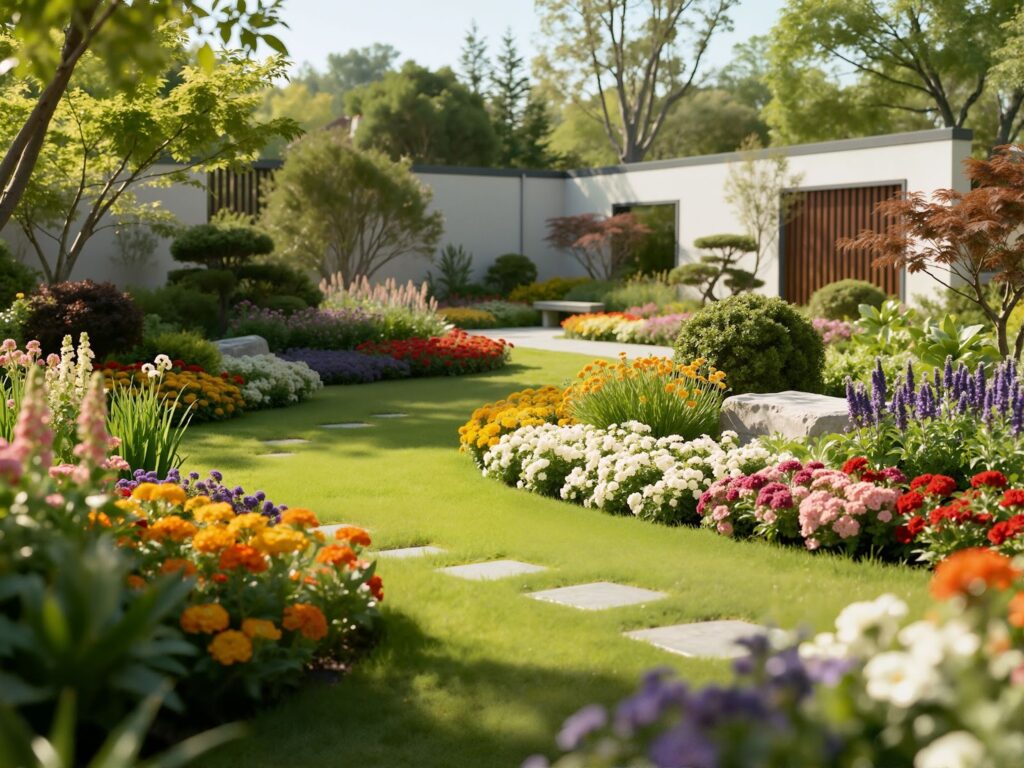
7 Questions Every Homeowner Should Ask Before Hiring a Landscaper

Hiring the Right Company for You

Hiring the right landscaping company isn’t just about getting someone to mow your lawn or plant a few shrubs. You may be planning a full backyard redesign. Or just need expert help maintaining your outdoor space. Whatever your needs, the company you choose will shape not only the look of your yard but also how enjoyable your outdoor living areas are for years to come. To ensure you make the right choice, here are seven essential questions every homeowner should ask before signing a contract.

1. What Services Do You Offer?

Not all landscaping companies provide the same range of services. Some focus only on lawn mowing or basic maintenance, while others can handle landscape design and plant selection, and others provide hardscape installation and long-term care.

Ask potential companies to walk you through the specific services they provide to confirm they can handle your needs. 

Why it matters:
A comprehensive service offering means fewer contractors to coordinate and a more integrated, cohesive approach to your outdoor project.

2. Are You Licensed, Insured, and Experienced?

Safety and professionalism begin with proper credentials. Insurance protects you and your property if any accidents occur during the project, and experience ensures the team knows how to handle unexpected challenges that arise in outdoor work.

Ask:

  • How long have you been in business?
  • Do you carry liability and workers’ compensation insurance?

3. Can You Share Examples of Your Work or References?

Past projects tell you a lot. Ask for photos, a gallery, or even references from previous clients so you can see the quality and style of work firsthand.

Why it matters:
Seeing results and hearing from real customers helps you understand whether their style matches your vision and if they reliably deliver on promises.

4. What Will the Project Timeline and Budget Look Like?

Landscaping projects involve many steps, and costs can add up quickly. Before you hire anyone, get a clear estimate of both timeline and budget, including labor, materials, and any potential extra charges.

Ask:

  • What’s included in the quote?
  • How do you handle unexpected costs or weather delays?

Having these details in writing avoids surprises later on.

5. How Will You Maintain My Landscape After Installation?

Some companies install beautiful landscapes and then disappear, leaving maintenance to you. A professional firm should offer ongoing care plans or at least guide you on how to preserve your investment over time.

Tip:
A long-term relationship with your landscaping provider can keep your yard healthy and thriving through the seasons.

6. Can You Tailor a Design to Fit My Vision and Environment?

Your yard has unique features like sun exposure, soil type, shade patterns, and your landscaping should reflect that. Ask how the company plans to customize your design to suit both your preferences and your property’s specific conditions.

A good landscaping team won’t use one-size-fits-all solutions but will work with you to craft outdoor spaces that meet your aesthetic goals and functional needs.

7. What Sets You Apart From Other Landscaping Companies?

Every company should have something special: a commitment to quality, unique services, or decades of experience. Ask landscaping professionals directly what makes them different from competitors. This helps you judge their confidence and professionalism.

Why Work With Giovine Landscaping Contractors

When you’re ready to hire a landscaper, partnering with Giovine Landscaping can give you peace of mind from day one.

Here’s why:

  • Full-Service Solutions: Giovine Landscaping offers everything from design and consulting to installations and lawn care, so you can streamline your landscaping needs with one trusted team.
  • Expertise in Design & Hardscaping: Their professionals have in-depth knowledge of plant materials and outdoor elements, ensuring your project fits the unique characteristics of your property.
  • Tailored Approach: Rather than cookie-cutter plans, they work closely with you to deliver results within your vision, budget, and timeline.
  • Residential & Commercial Experience: They handle landscaping and hardscaping projects with professionalism and care on any size property.
  • Proven Customer Satisfaction: Verified reviews from homeowners reflect the quality and reliability of their services.

Choosing the right landscaping company doesn’t have to be overwhelming. By asking these seven questions, you’ll be well-equipped to find a team that’s trustworthy, capable, and aligned with your goals. If you’re looking for expert care and beautifully designed outdoor spaces, Giovine Landscaping is ready to help bring your landscaping dreams to life.

Hardscaping vs. Softscaping

As the chill of winter fades and the first signs of warmer weather begin to emerge, homeowners everywhere start dreaming about what their outdoor spaces could become in spring. Whether you’re envisioning a lush garden bursting with color or a functional outdoor living area for entertaining, understanding the difference between hardscaping and softscaping is essential when planning your residential landscaping project.

At its core, this landscape design contrast comes down to structure versus living elements. The best professional landscape design thoughtfully combines both elements to create balanced, beautiful, and functional outdoor living spaces.

What Is Hardscaping?

Hardscaping refers to the non-living, structural elements of your landscape. These features form the foundation of your outdoor living space design and provide durability, usability, and long-term value. Common hardscape elements include:

  • Patio installation and walkways
  • Retaining walls
  • Driveways and paved areas
  • Pergolas, fire pits, and outdoor kitchens
  • Stone pathways and decorative borders

These features require minimal maintenance compared to plantings and create designated areas for relaxing, dining, and entertaining. A professionally designed and installed hardscape not only enhances curb appeal but also increases property value.

For homeowners seeking hardscape installation in Northern New Jersey, working with an experienced landscape contractor ensures proper drainage, structural integrity, and cohesive design. Companies like Giovine Landscaping specialize in custom patios, stonework, and complete outdoor transformations tailored to your property and lifestyle.

What Is Softscaping?

In contrast, softscaping includes the living components of your landscape. The elements that grow, bloom, and evolve throughout the seasons. Softscape features typically include:

  • Lawn installation and turf care
  • Trees and shrubs
  • Perennials and seasonal flowers
  • Garden bed design and mulching
  • Native plant landscaping that attracts pollinators

Professional lawn care services and plant selection are key components of successful softscape design. A knowledgeable landscape contractor considers soil conditions, drainage, sun exposure, and plant hardiness zones to ensure long-term health and sustainability.

Softscaping brings color, texture, and movement to your yard. It softens stone features, frames patios and walkways, and creates a welcoming atmosphere that changes beautifully from spring through fall.

Why Both Matter in Landscape Design

The most successful landscaping services integrate hardscaping and softscaping into one cohesive plan. Hardscaping provides the framework and structure, while softscaping adds warmth and natural beauty.

For example, a custom paver patio installation creates a defined entertaining space, while surrounding it with ornamental grasses, flowering perennials, and professionally maintained turf enhances visual appeal. Retaining walls can be softened with layered plantings, and walkways become more inviting when lined with seasonal blooms.

A balanced approach ensures your outdoor living space is both functional and visually dynamic, which is a key principle in modern landscape design and build services.

Spring: The Ideal Time to Start Planning Your Landscaping Project

With spring just around the corner, now is the perfect time to begin planning your spring landscaping services. Early scheduling allows for proper design consultations, material selection, and installation timelines before peak season begins.

Spring offers ideal conditions for softscape installation, including planting trees, shrubs, and lawns. It’s also an excellent time for hardscaping projects like patio installation or retaining wall construction, before the summer entertaining season arrives.

Starting now ensures your property is ready to enjoy when warmer weather fully arrives without the delays that often come with last-minute bookings.

Why Choosing the Right Landscape Contractor Matters

Selecting an experienced Northern New Jersey landscaping company is critical to achieving a seamless blend of hardscaping and softscaping. With over 25 years of experience, Giovine Landscaping provides comprehensive landscaping services, including lawn care, seasonal cleanups, custom landscape design, and hardscape installation.

The team understands how to create customized outdoor living spaces that enhance curb appeal while meeting practical needs. From initial design consultation through project completion, professional craftsmanship ensures long-lasting results.

Planning a landscape that is both beautiful and functional requires thoughtful design and expert execution. By understanding the difference between hardscaping and softscaping and beginning your spring landscaping project early, you can create an outdoor space that adds value, comfort, and enjoyment for years to come.

How to Protect Your Lawn and Plants During Harsh Winter Weather

Winter can be one of the toughest seasons for your landscape. Freezing temperatures, road salt, heavy snow, and icy conditions in New Jersey can leave your lawn and plants stressed or severely damaged by spring. With the right preparation and the right landscaping professionals, your yard can withstand the cold and recover strongly when warmer days arrive. Here’s how to protect your lawn and plants during harsh winter weather, and why homeowners throughout the area trust Giovine Landscaping to keep their property healthy year-round.

Shielding Your Landscape From Freezing Temperatures

Freezing temperatures can cause plant cells to burst, grass to thin, and roots to suffer winter injury. Early preparation is the key to strong winter protection. 

  • Aeration and late-season fertilizer strengthen roots and help your grass withstand dormancy. Deep watering before the ground freezes also provides valuable moisture that protects root systems from cold damage.
  • Mulch is another essential winter landscaping tool. A thick 2–4 inch layer of mulch around trees, shrubs, and perennial beds helps regulate soil temperature and prevents rapid freeze-thaw cycles. 
  • Sensitive or newly planted shrubs can benefit from burlap wraps or frost blankets to shield them from biting winter winds.

Giovine Landscaping offers seasonal lawn care and winter protection services that ensure your plants enter the cold months strong and protected.

Preventing Salt Damage to Your Lawn and Plants

Road salt and ice melt products are among the most harmful winter hazards. Salt dries out roots, disrupts soil balance, and leaves brown, burned edges on grass and shrubs. To reduce salt damage, use ice melt products containing calcium chloride instead of sodium chloride when possible. You can also use sand or kitty litter to improve traction in high-traffic areas near plantings.

Installing temporary winter barriers, such as burlap screens or protective edging, helps block salty runoff from reaching your lawn. In spring, flushing affected areas with water and applying gypsum can help restore healthier soil conditions.

Giovine Landscaping can help you identify high-risk areas on your property and install protective barriers or reroute water flow to minimize salt exposure.

Managing Heavy Snow Load on Shrubs and Trees

Snow may look soft, but when it piles up, it becomes surprisingly heavy. That weight can bend, crack, or snap branches, especially on evergreens like arborvitae, boxwoods, and holly. If snow collects on your shrubs, gently brush it off using upward strokes. Avoid shaking branches aggressively, as this can cause them to break. If the snow has turned icy or crusted, it’s best to leave it alone. For plants that repeatedly suffer from winter damage, loosely tying shrubs with soft twine or wrapping them in burlap before the season begins can help them hold their shape and avoid stress. If you need help preparing your property for winter storms, Giovine Landscaping provides winter shrub wrapping and preventative care to keep your landscape intact all season long.

Additional Winter Landscaping Tips

Small steps can make a big difference in winter lawn and plant protection:

  • Avoid walking on frozen grass. It can crack and damage the blades.
  • Prune trees in late fall or early winter to remove weak branches before heavy snow hits.
  • Monitor moisture levels. Evergreens may need watering during mild winter stretches.
  • Keep mulch replenished for ongoing insulation.

These winter lawn care essentials help protect your investment and ensure your landscape stays healthy, even during severe cold.

Why Homeowners Trust Giovine Landscaping

Protecting your lawn and plants during winter isn’t just about curb appeal; it’s about preserving the long-term health of your property. Giovine Landscaping specializes in proactive, effective winter landscaping services that keep your yard safe, strong, and attractive all year long.

Homeowners choose Giovine Landscaping because:

  • They understand local winter conditions and tailor solutions to your property’s needs.
  • Their team uses professional-grade materials to protect plants from snow, salt, and freezing temperatures.
  • They offer comprehensive seasonal care, from fall preparation to spring recovery.
  • Their expertise ensures healthier, greener results when warmer weather returns.

If you want a landscape that can stand up to harsh winter weather, Giovine Landscaping has the experience, tools, and commitment to help your yard thrive. Protect your investment and enjoy a healthier landscape in spring because strong winter protection starts with the right team by your side.

Elevate Your Summer with Custom Hardscape Additions

Learn how to elevate your summer with a custom hardscape addition in your yard. As the summer sun heats up, many homeowners turn their attention outdoors, envisioning a space that’s perfect for both relaxing evenings and lively weekend gatherings. While lush greenery and seasonal flowers set the stage, it’s hardscape elements that truly define your outdoor living area. At Giovine Landscaping, we specialize in transforming backyards with custom hardscape additions that add function, beauty, and long-lasting value.

Make Your Backyard a Destination

Hardscaping goes beyond aesthetics. It also brings purpose to your outdoor space so that you can host summer barbecues or enjoy a quiet night under the stars. Features like outdoor fireplaces, fire pits, built-in grills, and stone patios create zones designed for gathering and entertainment. Imagine roasting marshmallows with your family around a custom fire pit, or grilling dinner without having to run back and forth to your kitchen. These enhancements are not just upgrades but also lifestyle changers.

Add Outdoor Fireplaces and Fire Pits for Ambiance and Warmth

Few features are as inviting as the glow of an outdoor fire. Fire pits and fireplaces offer warmth on cool summer nights and extend your outdoor season well into the fall. Studies show that the audiovisual experience of sitting by the fire has a relaxing effect and even lowers blood pressure. From sleek modern fire bowls to rustic stone fireplaces, Giovine Landscaping custom designs each feature to match your aesthetic and functional needs. Whether you prefer gas or wood-burning options, we’ll help you choose the right setup to complement your landscape and increase relaxation for your summer nights. 

Built-In Grills and Outdoor Kitchens

For many homeowners, there is no summer without grilling. A built-in grill or complete outdoor kitchen turns your backyard into a true culinary destination. With features like prep counters, storage cabinets, and mini fridges, you can entertain guests without ever stepping inside. These installations are crafted with weather-resistant materials and integrated seamlessly into your landscape design, ensuring they’re as durable as they are beautiful.

Stone Patios and Walkways

No summer hangout spot is complete without a solid foundation. A stone patio not only adds square footage to your living space, but it also defines the flow and usability of your yard. Natural stone, pavers, or brick can be used to create elegant pathways or expansive patios perfect for dining, lounging, or setting up your new fire feature. At Giovine Landscaping, we consider the layout of your entire property to ensure your hardscape feels cohesive and intentional. Check out our previous blog to learn about summer landscaping tips that will go hand-in-hand with your hardscaping.

Expert Design and Professional Installation

At Giovine Landscaping, we understand that every home requires unique attention. That’s why we tailor our hardscape solutions to fit your specific vision and lifestyle. With years of experience in hardscape design and installation, our team ensures each project is built to last with careful attention to drainage, materials, and aesthetics.

Summer only gets better with hardscape additions such as a cozy fire pit or a full outdoor kitchen, and Giovine Landscaping is here to make it happen. Contact us today to schedule a consultation and learn how our custom hardscape solutions can enhance your home and bring people together all season long. Call us at (724) 316-3064 to get started.

Protecting Your Garden from Extreme Summer Heat: Tips for a Healthy Landscape

As temperatures soar to record-high numbers and the sun beats down during the peak of summer, your garden can quickly feel the impact of extreme heat. At Giovine Landscaping, we know how important it is to protect your outdoor oasis from the harshest days of the season. With a few smart strategies, you can keep your plants healthy, your flowers vibrant, and your garden thriving all summer long.

Choose Heat-Tolerant Plants

One of the best ways to safeguard your garden from scorching temperatures is to choose plants that can handle the heat. Opt for drought-resistant perennials like black-eyed Susans, lavender, and coneflowers. Native plants are often naturally equipped to withstand local weather conditions, requiring less maintenance and water. Ornamental grasses like switchgrass or fountain grass are another excellent choice for adding texture while tolerating high heat.

Use Mulch for Moisture Retention

Mulch is your garden’s best friend in extreme heat. Adding a generous layer of organic mulch helps regulate soil temperature and lock in valuable moisture. This barrier prevents the soil from drying out too quickly and keeps roots cool even on the hottest days. Aim for about 2–3 inches of mulch around flower beds and shrubs, but be sure to keep it a few inches away from plant stems to prevent rot. If you are interested in tips for specifically protecting your lawn from the heat, check out our previous blog.

Water Wisely and Efficiently

During heat waves, watering correctly is crucial. The best time to water your garden is early in the morning or late in the evening when the sun is less intense. This reduces evaporation and allows water to soak deep into the soil where roots need it most. Use drip irrigation systems or soaker hoses to deliver water directly to the base of your plants to ensure maximum efficiency and minimal waste.

Create Shade Where Needed

Even sun-loving plants can benefit from a little relief during extreme heat. Use shade cloths, garden umbrellas, or strategically placed trellises with climbing vines to provide temporary cover for delicate plants. Container gardens can be moved to shaded areas during the hottest parts of the day. For a long-term solution, consider planting trees or large shrubs that provide natural shade while enhancing the beauty of your landscape.

Let Giovine Landscaping Help You Beat the Heat

Your garden is an investment that deserves year-round care, even during the harshest summer days. At Giovine Landscaping, our team is ready to help you design, install, and maintain a landscape that stays beautiful no matter what the forecast brings. From selecting heat-tolerant plants to installing efficient irrigation systems, we have the solutions you need.

Don’t let extreme heat ruin your summer garden. Protect your outdoor space and enjoy a lush, green backyard all season long. For personalized landscaping tips, expert services, or to schedule a consultation, contact Giovine Landscaping today at (724) 316-3064. Let’s keep your garden thriving under the summer sun!

Fall Landscaping Tips: Prepare Your Yard for the Season with Giovine Landscaping

Prepare Your Yard for the Season with Giovine Landscaping, as the vibrant colors of summer fade and the crisp air of fall settles in, it’s the perfect time to give your landscape some attention. At Giovine Landscaping, we believe that a well-maintained yard can be enjoyed year-round, and fall is a crucial season for preparation. It is the best time for garden owners to plant trees, shrubs, and evergreens, so autumn maintenance is vital! Here are our top fall landscaping tips to help you create a beautiful outdoor space.

Clean Up Your Yard

One of the first steps in your fall landscaping routine is clearing debris away. Rake fallen leaves, remove dead plants, and tidy up flower beds. This not only enhances the aesthetic appeal of your yard but also prevents pests and diseases from overwintering. Regular clean-ups can set the foundation for a healthy garden come spring.

Mulch for Protection

Adding a layer of mulch to your flower beds is a fantastic way to protect your plants during the colder months. Mulch acts as insulation, keeping soil temperatures stable and reducing the risk of frost damage. Additionally, it helps retain moisture and suppresses weeds, making it easier to manage your landscape in the spring.

Aerate Your Lawn

Fall is an excellent time to aerate your lawn. Aeration involves perforating the soil with holes to allow air, water, and nutrients to penetrate deeper. This process improves root growth and promotes a lush, green lawn. Consider scheduling an aeration service with Giovine Landscaping for optimal results.

Fertilize for Future Growth

Don’t forget to fertilize your lawn and garden beds in the fall! Applying a high-quality fertilizer helps replenish nutrients that may have been depleted during the summer months. Fall fertilization supports root development, ensuring that your plants emerge stronger in the spring. Consult with our team to choose the right fertilizer for your landscape.

Plant Fall Annuals and Perennials

Fall is a great time to plant new flowers and shrubs. Consider adding fall annuals like chrysanthemums and pansies for a pop of color. If you’re looking to establish a perennial garden, now is the time to plant varieties that can withstand cooler temperatures. This will allow them to settle in before winter and thrive when spring arrives. As temperatures drop, now is also a good time to protect your trees and shrubs from approaching winter conditions. We recommend purchasing burlap so that garden owners can wrap their young trees in it to shield them from frost and wind damage when the time comes. For established plants, ensure they’re well-watered before the ground freezes, as hydration is key to winter survival.

Plan for Next Spring

Use the fall season to plan your landscape for next year. Take stock of what worked well in your garden and what didn’t. Consider new plantings, layout changes, or hardscaping features you’d like to implement. Having a plan in place will make the transition to spring smoother and more enjoyable. For a more comprehensive look at how garden maintenance works in the spring, refer to our previous blog post.

With these fall landscaping tips from Giovine Landscaping, you can ensure your yard remains beautiful and healthy throughout the season and beyond. If you need assistance with any landscaping tasks, our team is here to help. From lawn care to garden design, Giovine Landscaping offers comprehensive services tailored to your needs. Contact us today to schedule a consultation and give your landscape the care it deserves!

How to Keep Your Lawn Healthy in the Heat

As the summer marches on, many of us are wondering how we are going to keep our lawns healthy. Your lawn has certainly been exposed to significant amounts of heat throughout the season and while we know plants need sunlight to sustain and thrive, the excessive sunlight during the summer months can leave your grass looking unhealthy. One sign of this is your lawn losing its color, no longer being the vibrant green you desire it to be. As such, it is important to be aware of good garden maintenance practices to ensure your lawn looks flawless going into the fall season. The experts at Giovine Landscaping have compiled the perfect guide for all those looking to prevent deteriorating lawn health or bring it back to a nourished state. Keep reading for tips on how to keep your lawn healthy in the summer heat.

What Causes a Discolored Lawn?

There are several reasons why your lawn can take on an unhealthy appearance. Apart from the scorching sun, there are factors that homeowners can control that could lead to discolored grass. Watering too lightly or too heavily can stop the roots from being fully saturated, and can eventually impede the health of the plants. Cutting your grass blades too short makes them susceptible to heat stress and drought. This means adjusting your lawnmower to the proper mowing height is paramount. If these lawn maintenance practices are not executed properly, grass becomes vulnerable to diseases and pests (including the pesky spotted lanternfly), only furthering the unhealthy conditions of the plants. Read more about our summer landscaping tips to find out how to do better for your outdoor space. 

How Can I Maintain a Green Lawn?

By practicing these efficient lawn-keeping techniques, your lawn can thrive!

Soak Your Grass

During a drought, grass will turn a brown color due to becoming dormant to conserve energy. An effective way to saturate the roots and restore the grass is by soaking your grass deeply. Applying an inch of water a week and watering three or four times throughout, this method of infrequent watering does an excellent job of reviving the grass. 

Don’t Use Hot Water

Homeowners using a hose to water their lawns often leave the equipment in the sun. This causes the water inside to heat up, meaning hot water is what reaches the plants when it is next turned on. This can unwantedly burn your grass and cause significant damage. 

Aerate Your Lawn

Inserting a garden fork into the ground at one-foot intervals gives your lawn a chance to breathe. This method creates space within the soil for air, nutrients, and water to enter so that they can be absorbed by the grass much easier. Aerating your lawn can result in new and healthier plant growth. 

By implementing all the tips listed in the above guide, your outdoor greenery will maintain good health during the tail end of the summer season. Plants are sensitive to environmental pressures, and it is always crucial to be aware of the telltale signs that indicate your lawn needs better maintenance. The techniques mentioned all contribute to keeping your lawn healthy in the heat, and it is always suggested to contact a knowledgeable professional to guarantee your plants are getting the best possible treatment. Contact Giovine Landscaping for any of your landscaping and lawn care needs! Call us today at (724) 316-3064.

How to Grow a Topiary in Your Garden

Topiaries are wonderful additions to a garden that can bring it creativity and an eye-catching appeal. They are known to ornament the most luxurious of green scapes as their unique geometric shapes add a level of splendor to a property. Purchasing ready-made topiaries is an option, though an often costly one, but creating them on your own involves some basic skills that most garden owners are already familiar with. In this comprehensive guide, we’ll discuss all there is to know about growing a topiary in your backyard. 

Shrubs

Shrubs are one of two options for your topiary. It is important to select an evergreen species that is dense, resistant to pruning, and slow-growing for the best results. Choosing a plant in and of itself is an involved task, more of which you can read about in one of our previous blog posts. After making an adequate selection, you can take the first step in building your topiary.

Find a Sunny Location

To achieve the dense growth needed to create the eye-appealing geometries of your topiary, it must be getting even sunlight on all of its sides. Ensure your plant is located away from objects that could obstruct light, which is why it is not ideal to place it directly next to your home. The more specific light conditions required for your shrub should be identified by consulting its nursery tag. 

Keep Your Shrub Hydrated

A shrub’s growth consumes a decent amount of water, so don’t forget to check routinely for dry soil and hydrate it accordingly. Shrubs can turn brown at the tips, which could get in the way of the aesthetic desired by the garden owner. If that happens, apply fertilizer to your plant.

Choose A Main Stem

To get started on molding your soon-to-be leafy artistic creation, you must select one upright shooting stem to keep while the rest are removed. This selected root should be well-positioned for the intended shape of your design. Use a stake to tie down the main root and chop off the others using pruners. As the shrub develops, the main stems will continue to grow from the base. These should be removed to maintain the shrub’s intended shape. 

Clipping New Foliage

The process of forming your own topiary will require patience— remember, small changes will make a significant difference over an extended period. During the spring season, you should begin shaving down the new growth into the desired shape. New foliage will appear in a lighter shade of green, and when trimming it, the shear blades should be parallel with mature growth and the longest branches dealt with first. Pruning will be done during the other seasons as the shrub first takes it shape but can be reduced down to once or twice a year once it has matured. 

Vine Topiary 

To kick off your project, select a perennial vine of your choice. When first starting, it is good to select a vine that is low-maintenance and will grow at a rapid pace. As such, English Ivy is a popular option. Once this is done, you can now begin setting up your topiary structure.

Wire For Your Structure

A circular-shaped wire can be purchased from most home improvement retailers, where you will then place it in your soiled pot and plant one or two plants at the base where each wire leg touches the soil. The goal is that the vines grow upwards as you guide them around the wire or inch them in the direction of intended growth for the design you have in mind. 

Pruning As You Go

It is important that leaves and stems growing out in undesirable directions, be trimmed. The vines that will grow to wrap around the wire structure will serve as the foundation for your topiary and short, thin vines should be clipped. Along with this, pinching off the stems that intersect with the main stem will stimulate growth in that direction, and the resulting growth can be wrapped around the wire to further fill out the frame. 

Taking Care of Your Plants

As with shrubs, it is of great importance to remain knowledgeable about the water, soil pH, and sunlight requirements of the plant in your care. A healthy plant allows for it to be in its best state of beauty, something especially important when developing these visually attractive creations. Even with the knowledge provided in this detailed guide, it is normal for garden owners to have lingering questions about how to care for these growing artworks. At Giovine Landscaping, not only can we answer any and all of your topiary inquiries, but we can also provide assistance to help you attain the foliage design you desire. Contact us at (724) 316-3064 for any of your gardening needs!

How to Maintain Your Yard in the Spring

As the vibrant colors of spring bloom, it’s time to maintain your yard and breathe new life into your outdoor space. A well-maintained yard not only enhances your home’s aesthetic appeal, but also provides a welcoming environment for outdoor activities. In this blog post, we’ll explore essential spring yard maintenance tips that will surely benefit your garden. 

Lawn Resurrection

Kickstart the season by raking away debris and dead grass. You will do yourself a big favor by making sure your lawn can foster new growth. Additionally, springtime is certainly when homeowners should consider aerating their lawns as it will improve water and nutrient absorption. Don’t forget to seed and fertilize bare patches as well— this will ensure you maintain a lush, green carpet-like lawn.

Pruning Your Plants

Pruning is not exclusive to the spring season, but it is a crucial task to complete regardless. Trimming overgrown branches and deadwood encourages healthy growth and establishes a good foundation for long-term health. Also, pruning flowering plants stimulates blooming and shapes shrubs for a clean appearance. At the same time, it will attract some of the helpful critters we like to see in our gardens, more of which you can read about in one of our previous blog posts. Just remember to be cautious when pruning— different plant species have different pruning needs and times. 

Deal with the Weeds

Preventing the intrusion of weeds will promote a flourishing outdoor haven for you to enjoy. To curb weed growth effectively during this season, implement these strategic practices for optimal garden maintenance: 

  1. Cultivate the soil to disrupt weed germination. 
  2. Apply a layer of organic mulch to suppress weed emergence but also retain soil moisture
  3. Embrace eco-friendly herbicides or vinegar solutions to target persistent weeds while minimizing environmental impact. 
  4. Regularly inspect your garden beds, promptly removing any emerging weeds before they can establish a foothold. 

Implementing these proactive measures not only ensures a weed-free spring garden but also enhances its overall health and vitality.

Water Wisdom

With the changing weather patterns, it’s essential to adopt a strategic approach to ensure optimal hydration for your plants. Begin by establishing a consistent watering schedule, preferably in the early morning, to minimize evaporation and fungal risks. Adjust the frequency based on the specific water needs of your plants, considering factors such as soil type and weather conditions. Invest in efficient irrigation systems, like drip irrigation or soaker hoses, to deliver water directly to the root zone, minimizing water wastage. 

Furniture Freshening

The maintenance of your outdoor furniture is as necessary for lasting comfort and visual appeal as is the maintenance of the natural aspects of your garden. Begin by thoroughly cleaning each piece, using a mild soap and water solution to remove accumulated dirt and grime. Inspect for any signs of wear, addressing issues promptly to prevent further damage. Consider applying protective coatings or sealants, particularly for wooden furniture, to shield against the elements and prolong their lifespan. Regularly check and tighten bolts, screws, or hinges to guarantee structural integrity. Given the rainfall associated with this season, it is important to store cushions and textiles on rainy days to prevent mold and mildew growth. Embracing these outdoor furniture maintenance practices not only enhances their longevity but also ensures a welcoming and stylish outdoor retreat. 

With these spring yard maintenance tips, your outdoor space will flourish in all the ways you desire. Embrace the season of renewal by implementing these strategies, and watch your garden thrive. For any further questions on how your garden can improved, call Giovine Landscaping at (724) 316-3064. Spring into action and achieve all your yard needs!

Guide to Rain Gardens

Giovine Landscaping has compiled this guide to rain gardens to educate homeowners about this eco-friendly and beautiful landscape feature.

Most people do not give much thought to how their landscaping decisions impact the environment, but this is a mistake. There are many ways your landscaping can positively impact the environment. Your landscaping decisions can have a large impact on local ecosystems, wildlife, and even water quality. Household runoff-related pollution plays a major role in polluting New Jersey rivers, lakes, streams, beaches, and drinking water. Thankfully, there is a way for homeowners to help fight against flooding and water pollution, while simultaneously adding a beautiful new feature to their landscape design: installing a rain garden. Our landscaping experts at Giovine Landscaping have compiled this guide for rain gardens, to help educate homeowners about this versatile, helpful, environmentally friendly, and beautiful landscape feature. 

What are rain gardens?

Rain gardens are plantings installed in shallow depressions, filled with native plants selected for their ability to capture, temporarily hold, and filter water back into the ground. They can be installed in both natural depressions and purpose-built human-made indentations. Rain gardens are useful for fighting flooding on your property because they collect water that flows from impervious surfaces like your roof, driveway, patio, paths, or waterlogged yard. These gardens are also beneficial for the environment because they can trap any pollutants on your property. Pollutants like pesticides, fertilizers, pet waste, motor oil, gasoline, automotive chemicals, household cleaners, and more, are held back from entering waterways by rain gardens. Rain gardens are also a beautiful and interesting landscaping feature that can be used to display numerous types of plants.

6 Rain Garden Design and Management Tips

1. Rain gardens should always be placed at least 10 feet away from your house. 

If your rain garden is installed less than 10 feet away from your home, you will risk water seeping into your basement or foundation. You should not place your garden above a septic tank or near any underground utility lines. It is best to select a spot that receives a decent amount of water and is located between two impervious surfaces, like your roof and the street, to maximize the rain garden’s effectiveness at catching water.

2. Test your selected rain garden spot to ensure proper drainage. 

A rain garden is not a pond. It is important to design your rain garden so that water drains within 12-48 hours after a typical rainstorm, to prevent mosquito breeding and other issues. Before you add any plants, you should conduct a water-absorption test. You can dig a hole in your proposed rain garden installation area that is 12 inches deep and 6 inches wide, and fill it with water and a ruler. Observing this area over a four-hour period will allow you to calculate the rate of absorption in inches per hour, to ensure the site is suitable for a rain garden. If the soil is not draining fast enough, you may need to amend the soil and/or focus more on selecting plants that will aid in absorption. For instance, adding more sandy soil to your rain garden will help it drain more quickly.

3. Your rain garden should be at least 7 to 20% the size of the impervious surface creating the runoff.  

The USDA Natural Resources Conservation Service recommends that rain gardens should be between 7 and 20% the size of whatever impervious surface is creating the runoff that the garden is collecting. Typically, the largest impervious surface on your property will be your roof, so your rain garden should be 7 to 20% of your roof’s size to unlock its full environmental benefit. Still, even a smaller rain garden can be a beautiful landscape feature that reduces flooding and water pollution, while also benefiting wildlife through its native plantings. A rain garden that is 30% smaller than the ideal size for your property’s impervious surface area, will still be able to handle almost 75 percent of the storm watershed from a house.

4. Pick the right plant species

It may seem intuitive to select only water-loving or even aquatic plants for a rain garden, but this is not the right strategy. Your rain garden will be dry a lot of the time, especially around the edges, so you need plants that can tolerate both very wet soil and dry soil. You will need to plant species that require different moisture levels in different sections of your rain garden. You will also need to plant species that will be able to tolerate dry soil around the edges, species able to thrive in dry or wet conditions on the slopes, and moisture-tolerant species in the center.

All of the plants you select should be native perennials because these plants generally have deep root systems that will aid in water absorption. Plant species like black-eyed Susan, false indigo, coneflower, sedge, aster, daylily, iris, sedum, and native grasses thrive inside rain gardens. Plants like butterfly weed, gaura, coral bells, yarrow, and catmint make great plants for the edges of your rain garden. You can even plant a small tree or shrub species in a rain garden, like river birch, pawpaw, or oakleaf hydrangea. Whatever species you select, be sure to select a mix of plants with varied foliage, bark texture, and blooming periods so that your rain garden is interesting and beautiful all year long! 

5. Integrate your rain garden with the rest of your landscaping.

Your rain garden will be part of your overall landscape design, so it makes sense to integrate it with the rest of your landscaping. For instance, if you have a very orderly, manicured landscape, you may want your rain garden to be planted in this way as well, so it all matches. You can also line the outside of your rain garden with other decorative plants to further integrate it. Consider using the same kinds of decorative rocks both inside and outside of your rain garden. You can also consult with our landscape design experts at Giovine Landscaping, for other ideas for integrating your rain garden into your property’s overall landscape. 

6. Make sure your rain garden gets enough water during dry periods and maintenance in general. 

A new rain garden should be watered about an inch per week during any dry spells the year following installation, to allow your plants to establish themselves. After the first year, watering your rain garden deeply, but infrequently during times of drought, is best to encourage healthy root development. You should also prune your rain garden plants according to the needs of your specific species, and take care to remove weeds and debris that threaten to disrupt your garden. You can also further suppress weed growth by adding a 3-inch layer of fine hardwood mulch. It is important to use hardwood mulch, specifically, for this task because pine bark and wood chips will be washed out of your rain garden.

Contact Giovine Landscaping

If you want to install a rain garden or make any other changes to your landscape design, please contact Giovine Landscaping so that we can help you build the yard of your dreams!